

What to do with personal items when selling a house is one of the most common—and emotional—questions homeowners face. Beyond the logistics, it’s about memories, family history, and making thoughtful decisions during a major life transition.
Whether you’re helping your parents prepare their home for sale or managing your own move, this guide will walk you through a clear, organized, and manageable process to handle personal belongings with confidence.
Why Personal Items Matter When Selling a Home
When preparing a home for sale, personal items play a bigger role than many expect. Buyers need to envision themselves living in the space, and excessive personalization can make that difficult.
Decluttering and depersonalizing:
- Helps buyers connect emotionally to the home
- Makes rooms appear larger and cleaner
- Creates a more neutral, inviting environment
Understanding what to do with personal items when selling a house ensures your home is positioned to attract serious buyers.
Step 1: Start With a Clear Plan
Before you begin sorting, take time to create a simple plan.
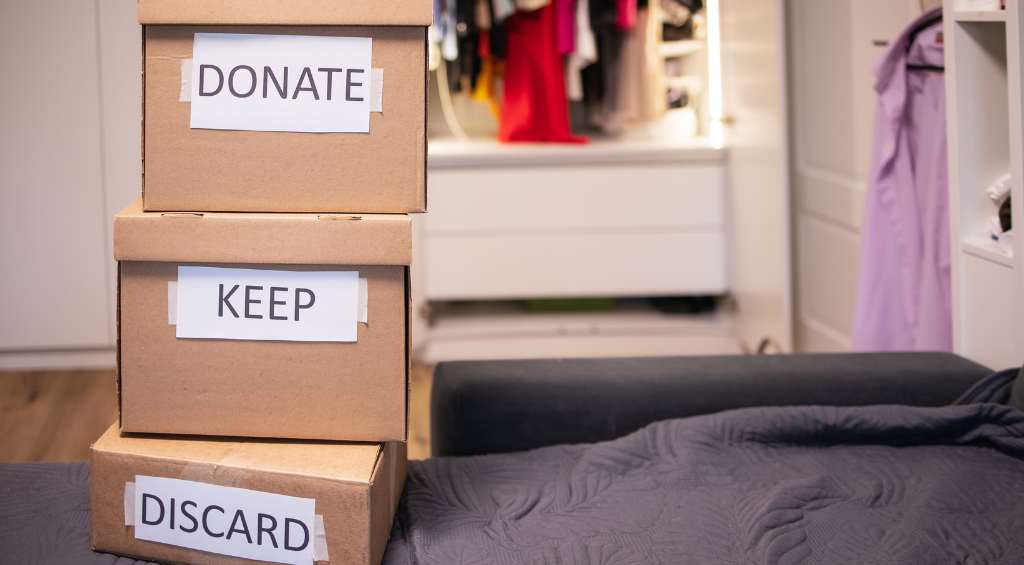
Break the process into categories:
- Keep
- Donate
- Sell
- Store
- Discard
This structure reduces overwhelm and makes decision-making easier as you go.
Step 2: Tackle One Room at a Time
Trying to handle everything at once can quickly become overwhelming.
Instead:
- Start with low-emotional spaces (garage, storage areas)
- Move into bedrooms and living areas later
- Set realistic daily or weekly goals
This step-by-step approach makes what to do with personal items when selling a house feel manageable rather than stressful.
Step 3: Separate Sentimental Items Early
Sentimental belongings are often the hardest to handle.
Examples include:
- Family photos
- Heirlooms
- Memorabilia
Set these aside early so they don’t slow down the rest of the process. You can revisit them later with more time and clarity.
Step 4: Digitize What You Can
Many items can be preserved without taking up physical space.
Consider:
- Scanning photos and documents
- Creating digital albums
- Backing up important files
This allows you to keep memories while reducing clutter. National Archives provides guidance on preserving important documents.
Step 5: Donate or Sell Unneeded Items
Not everything needs to move with you.
You can:
- Donate gently used items to organizations like Goodwill Industries
- Host a garage sale
- Sell items online
This step helps lighten your load and gives items a second life.
Step 6: Use Storage Strategically
For items you want to keep but don’t need immediately:
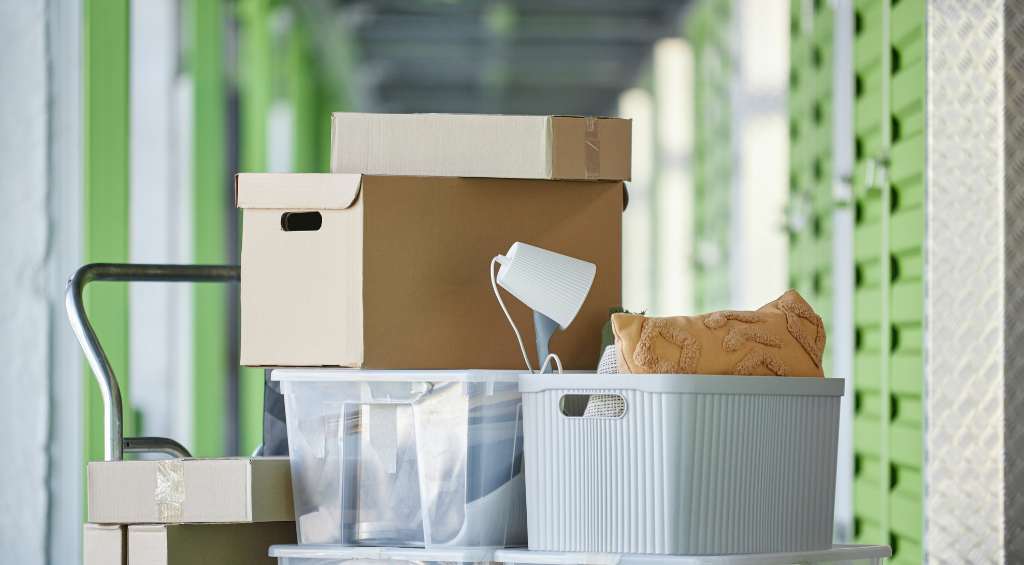
- Rent a short-term storage unit
- Use portable storage containers
- Store items with trusted family members
This is especially helpful during staging, when minimizing clutter is essential.
Step 7: Depersonalize the Home for Buyers
Once you’ve sorted your belongings, focus on preparing the home for showings.
Remove or minimize:
- Personal photos
- Unique decor
- Excess furniture
The goal is to create a neutral space where buyers can imagine their own lives.
For more guidance, explore Gwen Chua Realty Group for expert home preparation strategies.

Step 8: Get Professional Help When Needed
You don’t have to do this alone.
Consider hiring:
- Professional organizers
- Estate sale companies
- Moving coordinators
These professionals can simplify the process and save time.
Step 9: Stay Focused on the Bigger Picture
Sorting through personal items can be emotional—but it’s also an opportunity to move forward.
Keep in mind:
- You’re preparing for a new chapter
- The process doesn’t have to be perfect
- Progress matters more than speed
Knowing what to do with personal items when selling a house helps you stay grounded and focused.
Common Mistakes to Avoid
Holding on to Everything
It’s natural, but keeping too much creates clutter and slows the process.
Waiting Until the Last Minute
Start early to avoid unnecessary stress.
Skipping the Decluttering Step
A cluttered home can reduce buyer interest and perceived value.
How This Process Affects Your Home Sale
Handling personal items properly can directly impact your sale.
Benefits include:
- Faster sale timelines
- Stronger buyer interest
- Better presentation in photos and showings
For sellers, this step is just as important as pricing or marketing. Learn more at Gwen Chua Realty Group for a complete selling strategy.
Final Thoughts
Understanding what to do with personal items when selling a house is about more than decluttering—it’s about preparing emotionally and practically for your next move.
By approaching the process step by step, staying organized, and focusing on what truly matters, you can make the transition smoother and more manageable.
Frequently Asked Questions About What to Do With Personal Items When Selling a House
How do I start sorting personal items when selling a house?
Start by creating simple categories: keep, donate, sell, store, and discard. Begin with low-emotional areas like garages or storage rooms, then work your way into more personal spaces. This makes the process of what to do with personal items when selling a house more manageable and less overwhelming.
Should I remove all personal items before listing my home?
You don’t need to remove everything, but you should significantly reduce personal items. Removing family photos, personal collections, and excess décor helps buyers visualize themselves in the home. This step is essential when deciding what to do with personal items when selling a house to improve presentation and buyer appeal.
What should I do with sentimental items?
Set sentimental items aside early in the process. Avoid making emotional decisions under pressure. Revisit these items later when you have more time to reflect. This approach helps balance emotional attachment while staying focused on what to do with personal items when selling a house efficiently.
Is it better to store or sell items before moving?
It depends on your timeline and future needs. If you plan to use the items again, storage is a good option. If not, selling or donating can reduce moving costs and simplify your transition. Many homeowners find a mix of both works best when figuring out what to do with personal items when selling a house.
How much should I declutter before selling?
As a general rule, remove about 50–70% of visible items. The goal is to create a clean, spacious, and neutral environment. Proper decluttering plays a major role in what to do with personal items when selling a house, as it directly impacts how buyers perceive the space.